
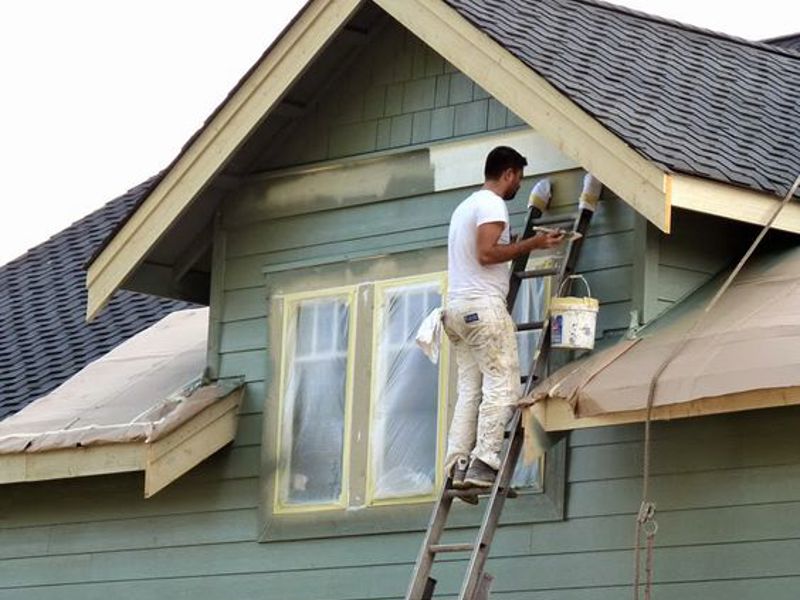
Top 8 Signs It's Time To Repaint Your House
Paint plays an important role in protecting a house from everyday wear and environmental exposure. Beyond appearance, it acts as a protective layer against moisture, heat, sunlight, and air pollutants. Over time, this layer naturally breaks down, even if the paint once looked flawless. Changes often happen slowly, which is why many homeowners do not immediately realise when repainting becomes necessary.
Recognising the early signs of paint failure helps prevent deeper surface damage and more expensive repairs later. Issues such as peeling paint, cracking surfaces, fading colours, and moisture stains often indicate that the paint’s protective properties are weakening. Understanding these signs helps determine when repainting is necessary and why taking timely action is important.
This blog explains the key indicators that suggest it may be time to repaint your house, helping homeowners make informed decisions based on condition rather than guesswork.
How to Know When Your Home Needs Repainting?
Your home rarely needs repainting all at once; instead, the signs develop gradually over time. Identifying these early indicators helps protect surfaces, maintain appearance, and prevent costly repairs. Here are some common signs that indicate it may be time to consider repainting your home:
1. Peeling of Paint
One of the most obvious signs you need to repaint your house is the peeling of paint. When paint begins to bubble, crack, and detach from the surface, it’s no longer providing the protection your home needs.
If you’ve ever wondered, “Is peeling paint a sign I need a new paint job?” — the answer is always yes. Peeling happens due to moisture, age, or poor-quality paint. Once it starts, it spreads quickly, exposing your home to water damage and deterioration.
Scheduling house painting services as soon as you spot peeling, as it helps to prevent deeper structural issues and keeps your home looking clean and well-maintained.
2. Cracking Paint
Another common indicator is cracking paint. Fine hairline cracks may seem harmless at first, but over time, they expand and lead to major paint breakdown.
Cracking usually occurs due to temperature changes, exposure to sunlight, and natural ageing of the coating. If you see multiple areas of cracked paint, it’s a clear signal that the surface is no longer properly sealed and needs repainting.
Professional painters can identify the cause of cracking and prepare the surface correctly so the issue doesn’t return.
3. Fading or Discoloured Walls
You may ask, “Why is my house paint fading?”
The main reasons include UV rays, weather, and low-quality paint.
Fading is especially noticeable on exterior walls that face direct sunlight. When colours look dull or uneven, it’s time to schedule house painting services. Besides improving appearance, new paint helps restore your home’s protection against weather damage.
Interiors can fade too, especially near windows, kitchens, and high-traffic areas, making the space look older than it is.
4. Stains and Water Marks
Stains, mould patches, or water marks on walls are more than just cosmetic issues. They indicate moisture problems, leaky pipes, or roof-related water entry.
If the stain reappears even after cleaning, repainting is necessary. Professional painters will first ensure the moisture source is addressed, then restore your walls with the appropriate primers and coatings.
Leaving stains untreated can lead to mould growth and unpleasant odours, making early repainting essential for hygiene and safety.
5. Rough or Flaky Wall Texture
Walls should feel smooth, even after years of wear. If they feel powdery, chalky, or flaky, it’s a signal that the previous paint layer has deteriorated.
This often happens with old exterior surfaces due to sun exposure and rain. When chalking becomes noticeable, it reduces the adhesion of new paint if left untreated.
By hiring a reliable house painting company, you ensure proper surface washing, sanding, and priming before the fresh coat goes on.
6. Your Home Looks Outdated
Even if there is no serious damage, you may want to refresh your home simply because the colours no longer match your style. Trends change, and what looked modern ten years ago may now appear dull.
Repainting is the quickest way to give your home an updated, appealing look. Many homeowners search “When should I repaint my house?” and the answer is often:
Whenever the appearance of your home no longer reflects your taste.
A new colour palette can transform your home’s personality and increase its kerb appeal instantly.
7. Visible Marks, Scratches, and Wear
Interior walls often collect marks from furniture, kids, pets, and everyday wear and tear. Over time, these marks build up and make rooms feel worn out.
High-traffic areas like hallways, kitchens, and living rooms show signs of wear sooner. If scrubbing doesn’t remove these marks, repainting is the best solution.
Professional painters can recommend durable, washable paints for areas that need extra protection.
8. You’re Preparing to Sell or Rent Your Property
If you’re planning to sell or rent, repainting is one of the most effective upgrades you can make. Fresh, clean walls create a strong first impression and can increase the value of your home.
Potential buyers and tenants notice small details; cracks, faded paint, and stains can make your property feel neglected. Investing in professional house painting services helps you present your home at its best.
Why Choosing the Right Painting Professionals Matter?
Repainting a house requires more than applying fresh paint. The long-term result depends on how well surfaces are assessed, prepared, and treated before painting begins. Working with a skilled team ensures that underlying paint issues are addressed correctly rather than simply covered up. Many of the same preparation principles apply to interior painting as well, where finish quality depends heavily on surface condition and application methods.
To understand this process in more detail, read our blog on How Professionals Paint a House Interior for a Flawless Finish.
Victoria Master Painting focuses on the fundamentals that directly impact repaint quality:
- Careful inspection of surfaces to identify peeling of paint, cracking paint, moisture damage, and surface wear
- Proper surface preparation to prevent recurring peeling and cracking after repainting
- Repair of damaged areas before painting to ensure smooth and stable paint application
- Use of suitable primers to improve paint adhesion and durability
- Consistent application techniques that help paint perform as a protective layer, not just a finish
- Attention to environmental factors such as sunlight exposure and humidity that affect paint lifespan
This structured approach ensures that repainting supports both protection and longevity, helping homeowners avoid repeated maintenance and premature paint failure.
Takeaway
A house rarely needs repainting suddenly. The need usually becomes clear through visible and gradual changes such as peeling paint, cracking paint, fading finishes, bubbling surfaces, and persistent stains. These signs indicate that the paint is no longer performing its core function of protection.
Knowing when repainting is required helps maintain surface integrity, reduces ongoing maintenance issues, and prevents moisture-related damage. Paint age, environmental exposure, and increasing repair frequency are strong indicators that repainting should be planned rather than delayed.
Addressing paint issues early ensures better long-term results and maintains your home's overall condition. Working with trained professionals allows these concerns to be identified and resolved correctly, from surface assessment to material selection and application methods. To understand how this approach adds long-term value and reliability, read our blog on the benefits of hiring professional painters for your property.
Contact us today to learn more.
Frequently Asked Questions
1. How long does exterior house paint typically last in Australian conditions?
In most Australian climates, exterior house paint lasts between 7 to 12 years, depending on factors such as sun exposure, humidity, coastal air, and the quality of surface preparation. Homes exposed to strong UV rays or frequent rain may require repainting sooner, even if the paint appears intact.
2. Does repainting improve a home’s energy efficiency?
Yes, repainting can indirectly improve energy efficiency. Lighter exterior colours reflect more sunlight, helping reduce heat absorption, while modern paint coatings can add an extra layer of insulation. Well-maintained paint also seals small gaps, limiting moisture and air infiltration.
3. Can repainting protect walls from structural damage?
Repainting helps protect walls by sealing porous surfaces and preventing moisture penetration. When paint breaks down, water can enter wall materials, leading to rot, mould, or corrosion. Timely repainting preserves the integrity of surfaces before damage becomes structural.
4. What role does primer play during a repainting project?
Primer is essential for long-lasting paint performance. It improves adhesion, seals repaired areas, and prevents stains or previous colours from bleeding through. Skipping primer can reduce the lifespan of new paint, even when premium products are used.
5. Is it better to repaint before or after minor wall repairs?
Repainting should always occur after repairs are completed. Addressing cracks, surface damage, or moisture-related issues first ensures the new paint bonds properly and performs as intended. Painting over unresolved problems can lead to premature paint failure.
6. How do environmental factors affect paint longevity over time?
Environmental conditions such as sunlight intensity, humidity levels, rainfall, and air pollution gradually break down paint coatings. Homes in coastal or high-traffic urban areas often experience faster paint deterioration due to salt exposure and airborne pollutants.